
Summing up the 2nd edition of the MOOC on polarisation at the University of Tartu
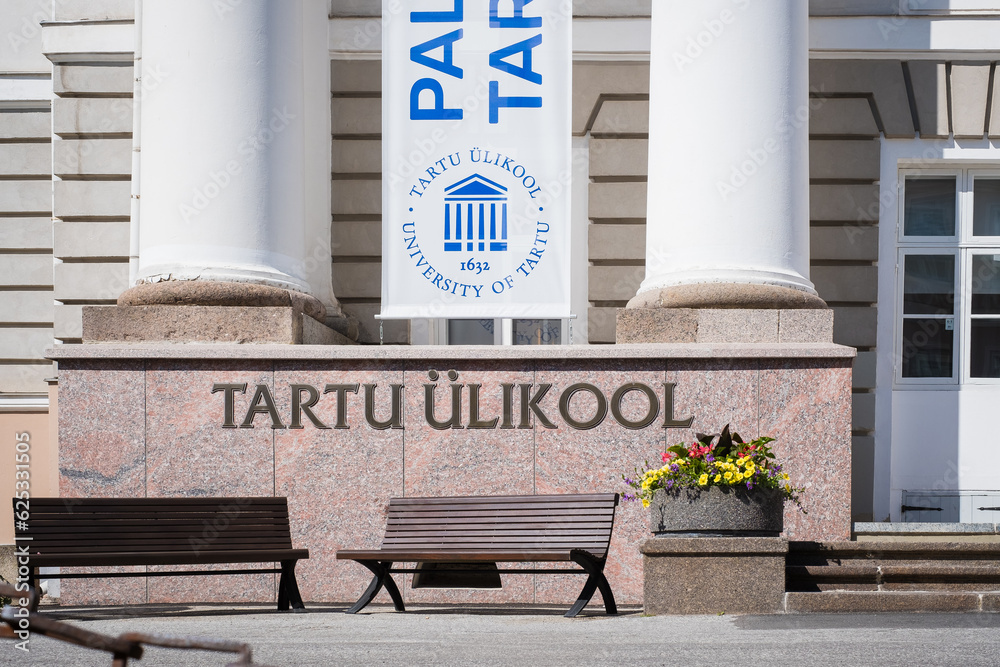
The MOOC was launched on the University of Tartu’s Moodle platform on March 2 and ran until April 1, 2026. The course attracted over 210 participants from across the globe, representing 32 countries, including Estonia, Poland, Germany, the Netherlands, Moldova, Ukraine, India, Georgia, Azerbaijan, Lithuania, the United States, Armenia, Italy, Bulgaria, Denmark, Czechia, Latvia, Greece, Kosovo, the Philippines, China, Cameroon, South Africa, the United Kingdom, Portugal, Bangladesh, Pakistan, Morocco, Croatia, Kyrgyzstan, Finland, and Norway.
Throughout the course, participants engaged with four thematic modules combining interactive video lectures, reading materials, simulation exercises, quizzes, and discussion forums. The course explored key aspects of polarisation, including its early signs, its consequences for democratic societies, the cognitive and social mechanisms that drive it, and practical strategies for prevention and reconciliation.
A total of 111 participants successfully completed the course, resulting in a 52% completion rate – well above typical MOOC averages.
Feedback collected in April 2026 highlights a very high level of participant satisfaction. In total, 97 respondents provided feedback. Of these, 98.97% agreed or strongly agreed that the course content, case studies, and objectives aligned with their expectations. All respondents indicated that the course enhanced their knowledge and understanding of the topic, while 96.91% found the organisation and depth of the materials, assignments, and feedback to be sufficient.
Qualitative feedback further underlines the course’s impact. Participants particularly valued the combination of theory and practice, as well as the focus on dialogue and depolarisation strategies – such as Rumi’s three gates – which they found directly applicable in real-life contexts. The interactive format, including videos, discussions, and real-life cases, was seen as engaging and encouraged reflection, critical thinking, and openness to diverse perspectives. Across the two Moodle editions of the MOOC, a total of 441 participants registered for the course, of whom 217 successfully completed it during the ActiPlex project.